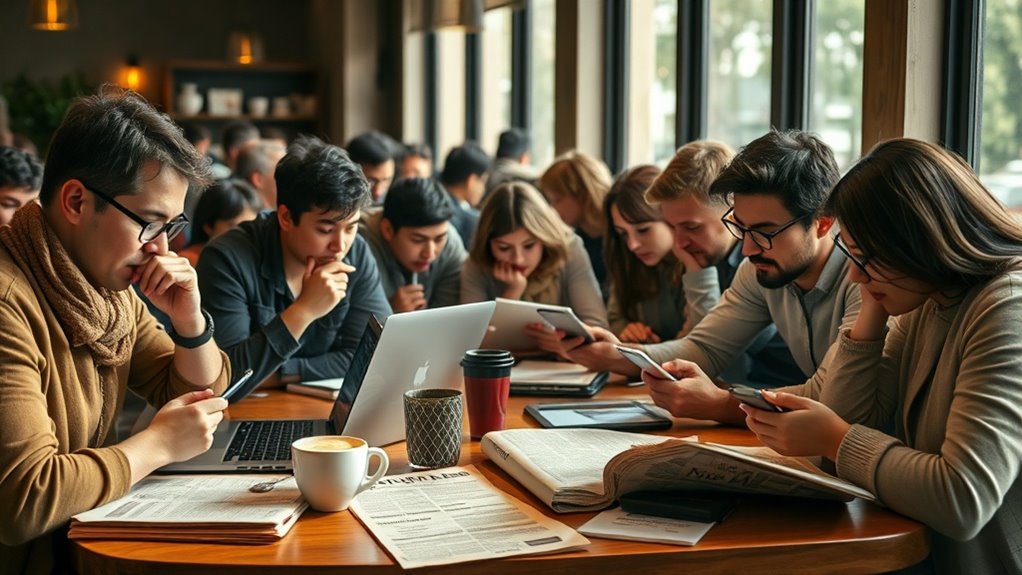
Reading about media literacy for news readers can feel easy at first. Then the stream of alerts, posts, clips, and opinions grows fast. A reader may see politics, courts, economy, culture, and world events in one sitting. A steady habit helps turn that rush into useful knowledge.
Clear news reading also means accepting that one update rarely tells the full story. A headline may point to a problem, but the detail often sits deeper. Readers who look for context can make sense of change without falling into confusion or anger.
Readers who want to follow public affairs with more structure may include Indian news online in their daily mix. The goal is not blind trust. The goal is to build a routine that values context, source awareness, and clear thinking.
Brief Overview
- Media Literacy for News Readers becomes easier to follow when readers check context before forming an opinion. A balanced routine helps busy readers avoid rumor, fear, and rushed claims. Good news reading includes source checks, dates, locations, and named details. Readers can compare reports without turning every issue into a loud debate. Useful news habits support better civic awareness and more thoughtful public talk.
Why Media Literacy for News Readers Needs Context
Context gives news its shape. Without it, every update can look sudden. With it, readers can see a chain of events. They can also notice what is known, what is unclear, and what still needs a reliable source. This is very useful for media literacy for news readers.
A careful reader does not need expert training. Simple checks work well. Look for named sources. Notice dates. See whether a story explains both the event and the background. These habits make news feel less sharp and more useful.
How to Read Headlines With Care
Online headlines can move faster than careful thought. This is why a calm process matters. Read the first paragraph. Check the source. Look for added background. Then decide whether the story is worth saving, sharing, or studying more.
Some stories need more than one source. If an update is major, check another report. Look for agreement on basic facts. If the details keep changing, it may be wise to wait before forming a strong view.
Why Non Partisan Coverage Helps Readers
An independent portal can be useful when readers want a broad mix of topics in one place. It can connect politics, society, culture, economy, and world affairs. This helps readers see patterns instead of treating every update as a separate event.
Using independent news portal India can support a cleaner reading routine when the reader stays alert. The point is to gain a wider view, not to rush into a fixed view. Careful reading gives each story the space it needs.
Building a Daily Reading Routine
Readers can also group news by theme. One day may call for politics. Another may call for economy, culture, or world affairs. Grouping helps people see patterns. It also stops the news cycle from feeling like a pile of random events.
Good news use also includes rest. No one can track every update. A healthy reader knows when to pause. This does not mean ignoring public life. It means returning with a clearer mind and a better chance of seeing the full picture.
Frequently Asked Questions
How can I start reading about media literacy for news readers more carefully?
Start with one reliable source and NewsGram Indian politics news one simple check. Read the full report before reacting. Note the date, place, and named sources. Then ask what is fact and what is opinion. This small routine can improve your reading fast.
Why is context important in media literacy for news readers?
Context explains the reason behind an update. It shows links between people, policy, history, and public effect. Without context, a headline may feel bigger or smaller than it really is. Context helps readers form a fair view.
Should I compare more than one report?
Yes, especially when the issue is major or sensitive. Different reports may add details that others miss. Comparing sources also helps you spot errors, weak claims, and missing background. You do not need many sources. Two or three can help.
How do I avoid bias while reading news?
Notice your first reaction and slow down. Read the details before agreeing or rejecting the story. Look for evidence, not just tone. Also read reports that explain the issue in plain language. This makes it easier to stay fair.
What is a good daily news habit?
Choose a fixed time to read. Focus on a few important stories instead of many alerts. Save complex updates for later review. Ask what changed and why it matters. This habit keeps news useful without making it stressful.
Summarizing
The best news habit is simple and steady. Read with care. Ask fair questions. Compare key details when the story matters. This turns daily updates into knowledge that can support work, study, family talk, and civic life. The aim is clear thought, not quick noise.
A thoughtful reader looks beyond speed. The aim is not to know everything first. The aim is to understand what matters and why. That habit makes public life clearer and helps people take part in better conversations. It also helps reduce blame, fear, and rumor.
Keep notes. Check dates. Read the full report. Ask what changed. Share only what you can explain.
Use calm steps. Read first. Compare next. Think before sharing. These small habits make news more useful.
A clear routine saves time. It also lowers stress. Good reading is steady, fair, and open to new facts.
Simple questions help. Who said it? What proof is shown? Who is affected? What is still unknown?
Keep notes. Check dates. Read the full report. Ask what changed. Share only what you can explain.
Use calm steps. Read first. Compare next. Think before sharing. These small habits make news more useful.
A clear routine saves time. It also lowers stress. Good reading is steady, fair, and open to new facts.
Simple questions help. Who said it? What proof is shown? Who is affected? What is still unknown?
Keep notes. Check dates. Read the full report. Ask what changed. Share only what you can explain.
Use calm steps. Read first. Compare next. Think before sharing. These small habits make news more useful.
A clear routine saves time. It also lowers stress. Good reading is steady, fair, and open to new facts.
Simple questions help. Who said it? What proof is shown? Who is affected? What is still unknown?
Keep notes. Check dates. Read the full report. Ask what changed. Share only what you can explain.
Use calm steps. Read first. Compare next. Think before sharing. These small habits make news more useful.
A clear routine saves time. It also lowers stress. Good reading is steady, fair, and open to new facts.
Simple questions help. Who said it? What proof is shown? Who is affected? What is still unknown?
Keep notes. Check dates. Read the full report. Ask what changed. Share only what you can explain.
Use calm steps. Read first. Compare next. Think before sharing. These small habits make news more useful.